Stockholm Region
Sweden
- Inhabitants2 400 0002024
- Population growth3 000 000 (prognos 2030)2030
- Daily commuters450 000
- Employment rate79.1%2023
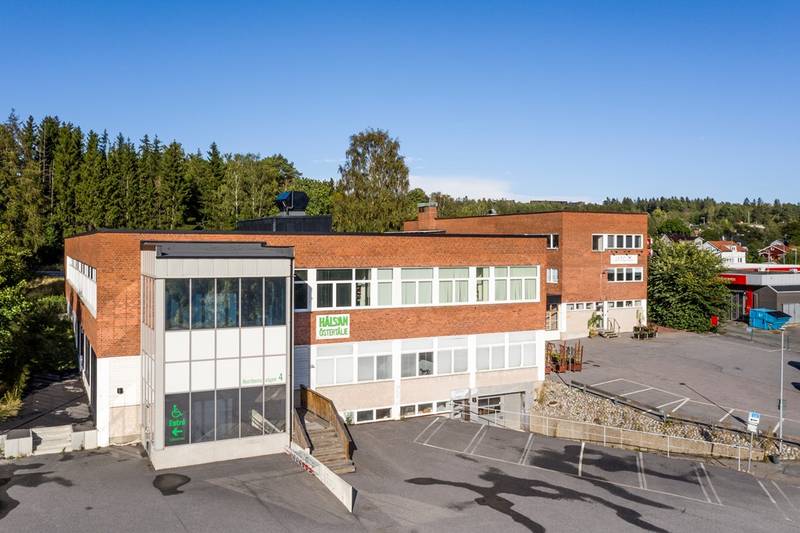
The Stockholm Region is Sweden's capital region and the country's largest metropolitan area with close to 2.4 million inhabitants. The region spans a large number of municipalities and offers a unique mix of urban life, nature and archipelago. With an international airport, an extensive public transport network and one of Europe's most dynamic business climates, the Stockholm Region is a natural hub for business, culture and societal development.
Business climate
The Stockholm Region is one of Europe's most competitive metropolitan areas and drives approximately 42 per cent of Sweden's economic growth. The business landscape is characterised by a knowledge-intensive service sector with a strong presence in tech, finance, life science and creative industries. The region is internationally ranked as one of the world's leading start-up hubs, with an ecosystem that attracts talent and investment from around the world.
Municipality
Region Stockholm is responsible for healthcare and regional development and offers one of the world's most well-developed welfare systems. The region's municipalities provide broad service offerings including schools, healthcare, culture and infrastructure. With Karolinska Institutet, several international universities and an extensive healthcare network, the region holds a special position in education and health.
Development
The Stockholm Region is expected to grow to nearly 3 million inhabitants by 2030 and is undergoing extensive investments in infrastructure, public transport and housing construction. New metro lines, urban development areas and sustainability initiatives are shaping the region's future. The region's growth rate and international attractiveness make it one of Europe's most dynamic metropolitan areas with strong potential for continued development.
Properties
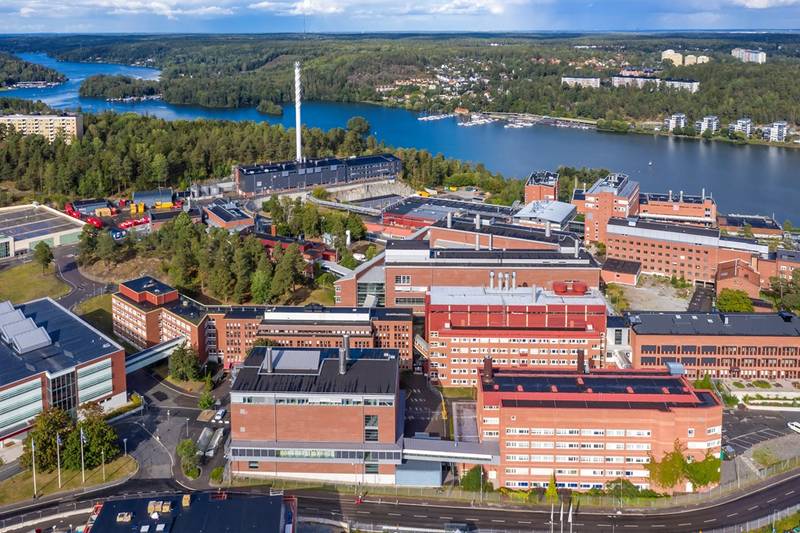
Life science propertyPyramiden 19, Södertälje, Stockholm Region9 buildings / total 38,948 m² / Lettable 13,556 m²9 buildings / Available spaces: 7
→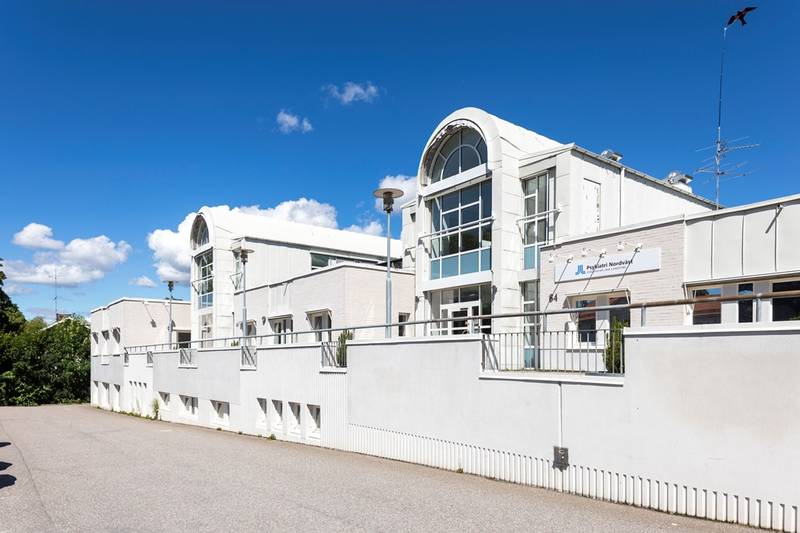
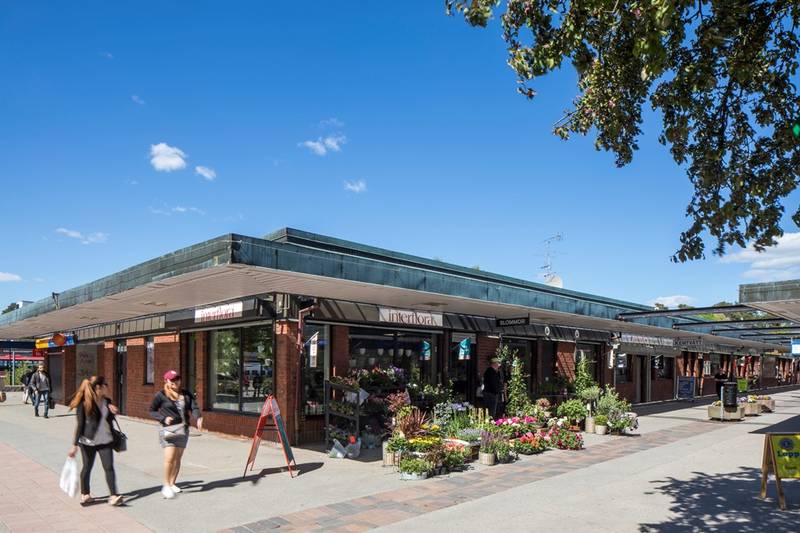
Healthcare propertyEstländaren 10, Sollentuna, Stockholm RegionTotal 3,116 m² / Lettable 3,116 m²Available spaces
→
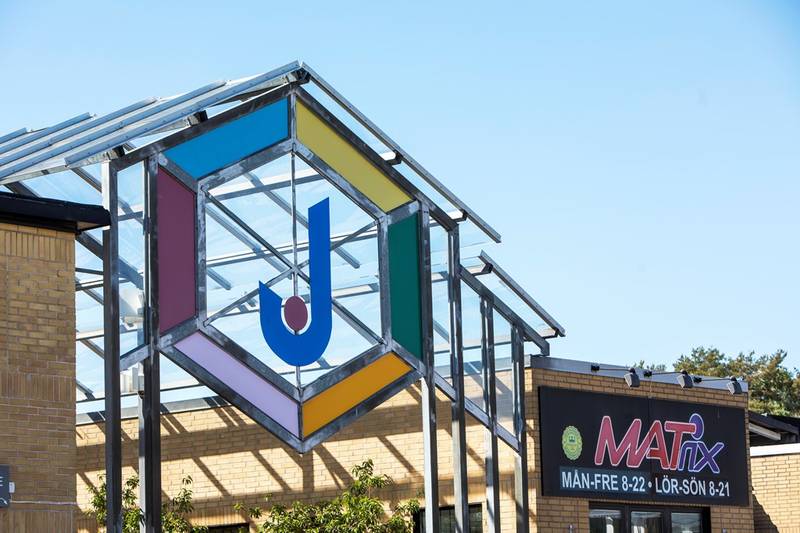
Retail propertyÅby 1:67, Västerhaninge, HaningeTotal 6,947 m² / Lettable 1,189 m²Available spaces
→
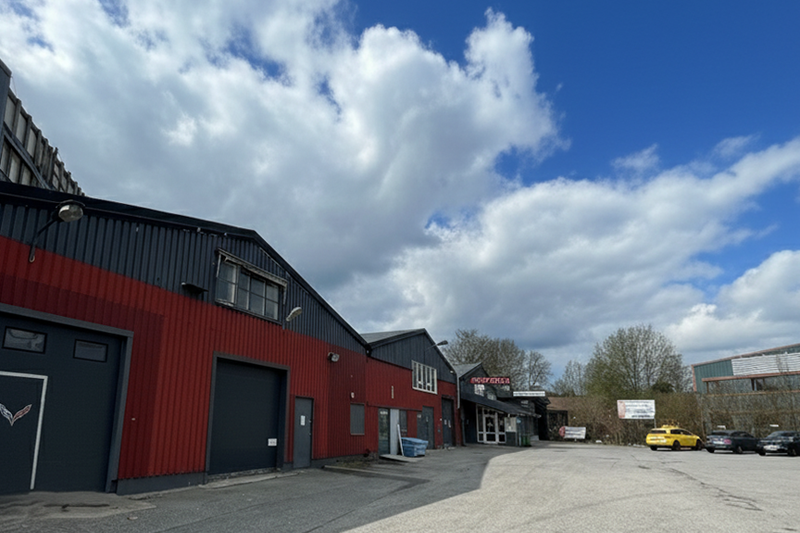
Retail propertyKalvsvik 11:9, Jordbro, HaningeTotal 7,646 m² / Lettable 1,632 m²Available spaces
→
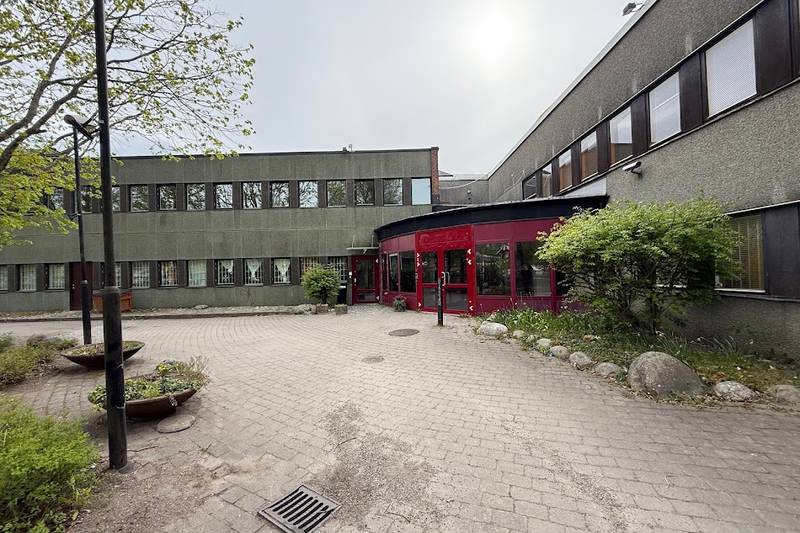
Industrial propertyGulmåran 12, Spånga, Stockholm RegionTotal 1,490 m² / Lettable 198 m²Available spaces
→
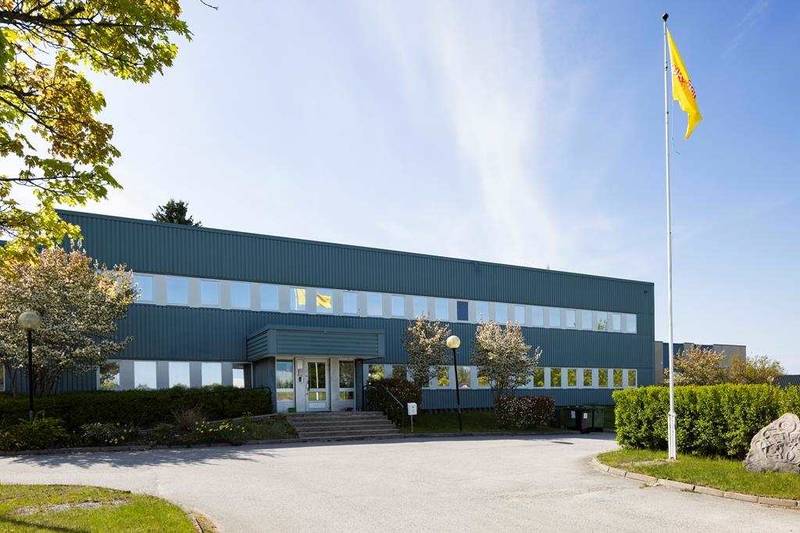
Office propertyHerrgården 1, Älvsjö, Stockholm RegionTotal 2,925 m² / Lettable 2,925 m²Available spaces
→
Industrial propertyHammaren 6, Nynäshamn, Stockholm RegionTotal 990 m²Available spaces
→